



Shaping Outdoor Spaces with GRC
A beautiful outdoor space is not defined only by its larger furniture pieces. Often, it is the smaller details — a well-placed coffee table, a planter in just the right position, or a group of planters with harmonious proportions — that bring the entire space together
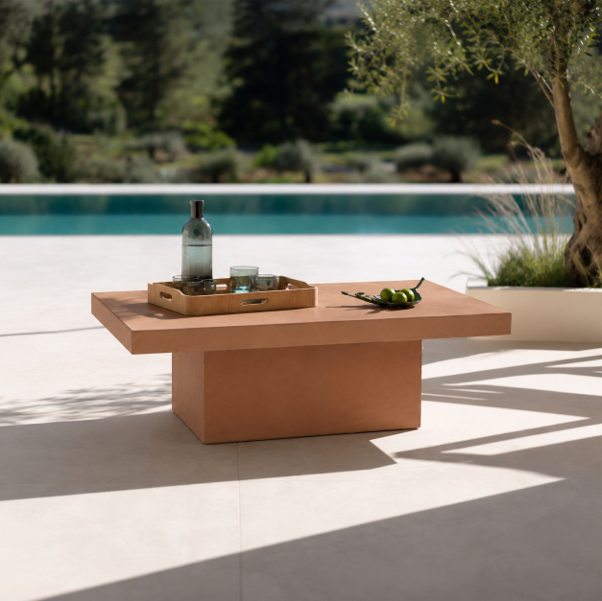
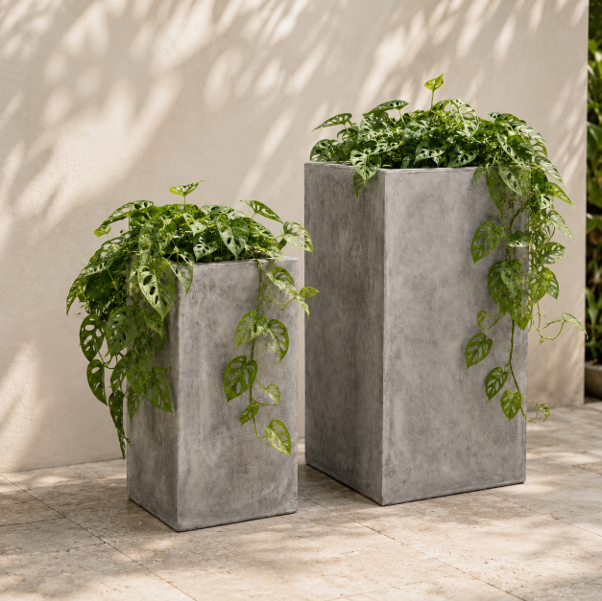
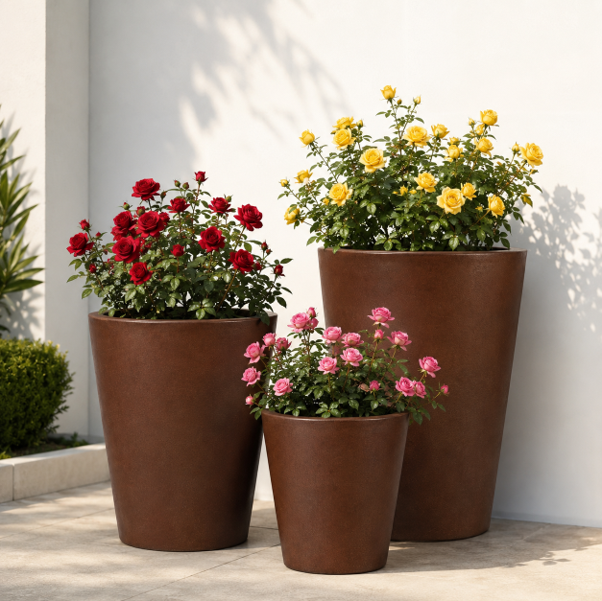
GRC offers a wide range of possibilities for these kinds of details. With its solid presence, depth of surface, and flexibility in form, the material can take on many different roles while still maintaining a consistent design language. A low table by the pool can become a quiet focal point for a lounge area. A grouping of planters in different sizes can create rhythm across a patio. Tall, minimalist planter forms can also be used to guide movement, divide space, or create architectural accents.
What makes GRC especially suitable for outdoor living is its ability to blend into the landscape without losing its own character. Tones such as terracotta, weathered cement, sand, and charcoal pair naturally with greenery, natural stone, timber, metal, and modern architectural surfaces. In direct sunlight, the material’s texture becomes more visible; in the shade, the surface softens and feels even more connected to the surrounding environment.
For planters, form and proportion are just as important as colour. A tall planter can emphasize the shape of a plant, while a lower, wider form works well for softer arrangements or layered flowers. When different sizes are combined within one grouping, the variation in height creates depth and helps the space feel more natural. For this reason, a planter is not simply a container for plants, but part of the overall composition.
Likewise, GRC coffee tables and low tables often act as visual anchors for lounge areas, poolside settings, or terraces. Their simple forms, low proportions, and neutral surfaces allow them to be present in just the right way, while leaving room for light, greenery, and surrounding materials to speak.
At Saigon Pottery, we see these pieces as part of the same outdoor ecosystem. From tables to planters, from softer forms to more defined geometries, each design is created with a balance of function, proportion, and material expression in mind. The goal is not for each object to stand out on its own, but for them to work together in shaping a connected space.
Because a good outdoor space does not need too many details. It simply needs objects with the right proportion, the right material, and the right placement — allowing architecture, greenery, and everyday life to find their balance naturally.